Background
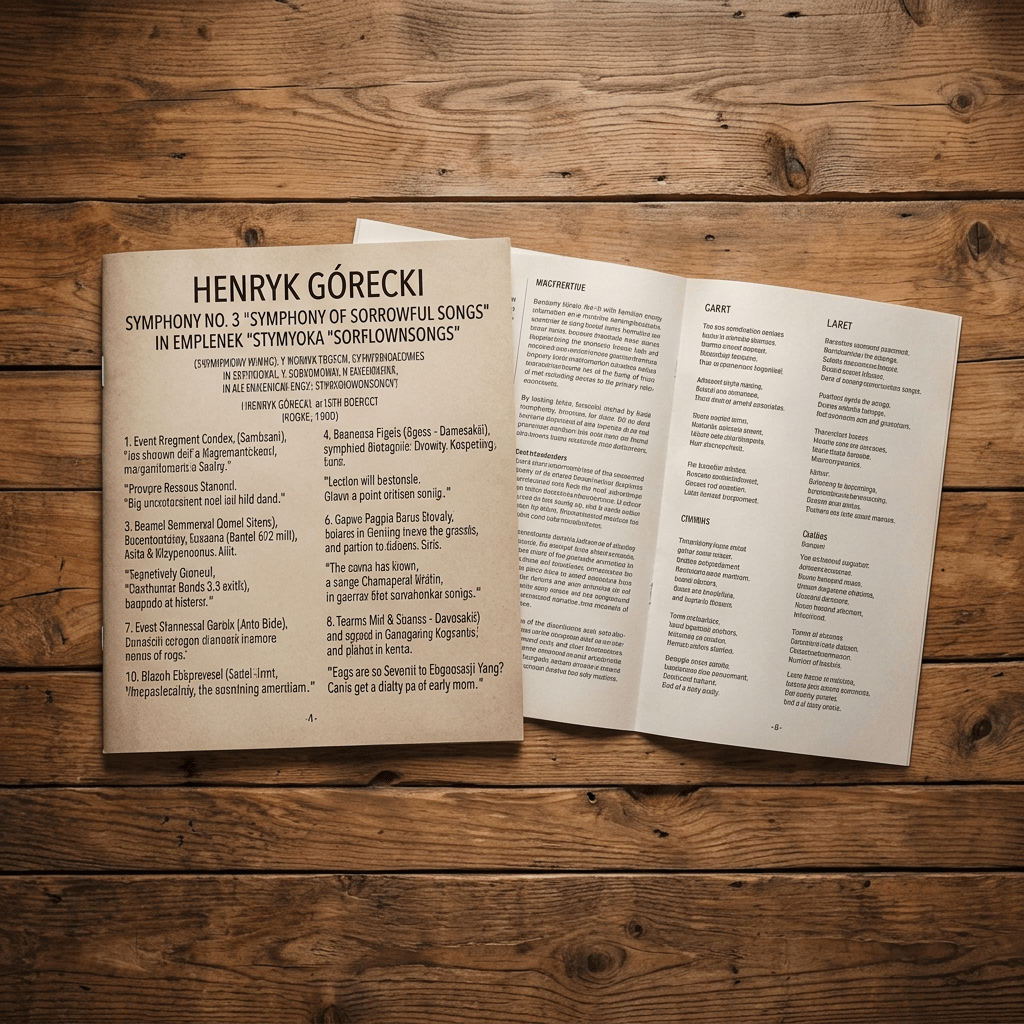
Gorecki’s 3rd Symphony – The Symphony of Sorrowful Song, was performed in San Francisco on June 21st. This is the symphony I’ve listened to through Ketamine Therapy for years, and the perfect music for a rainy day. I have heard it streaming so very many times, but never live. My theory is that it features a female vocalist singing in Polish, which may be hard to find. That and it’s the ultimate downer in classical music. And that’s why performances are so rare.
I thought about flying out, but that’s really stressful, takes forever, and rental cars are a hassle. So rather than take 5 hours to get there, I drove. Seven days to get there and, well, more than that to get home.
Excited, to say the least. As a mental health exercise I wasn’t concerned that I wouldn’t like it, or that I’d break down sobbing, or maybe none of those. It’s that I would hear it and not care.
Well, I cared. I kept myself awake through the Chopin and other pieces in the first half. And the introductions. But I really enjoyed the conductor’s explanation of the music in a way I never knew, and will now hear in the music.
Before
I needed to get a good night’s sleep, and I had no idea when I was going to get up. I wanted to be at the venue at noon, which is stupid early because they opened the line for the RSVP people (me) at 2:30. But I didn’t know if I was going to get there and there were going to be 300 people in sleeping bags and camp chairs already, or if I was going to wait that long and there were going to be nine people in total at the show.
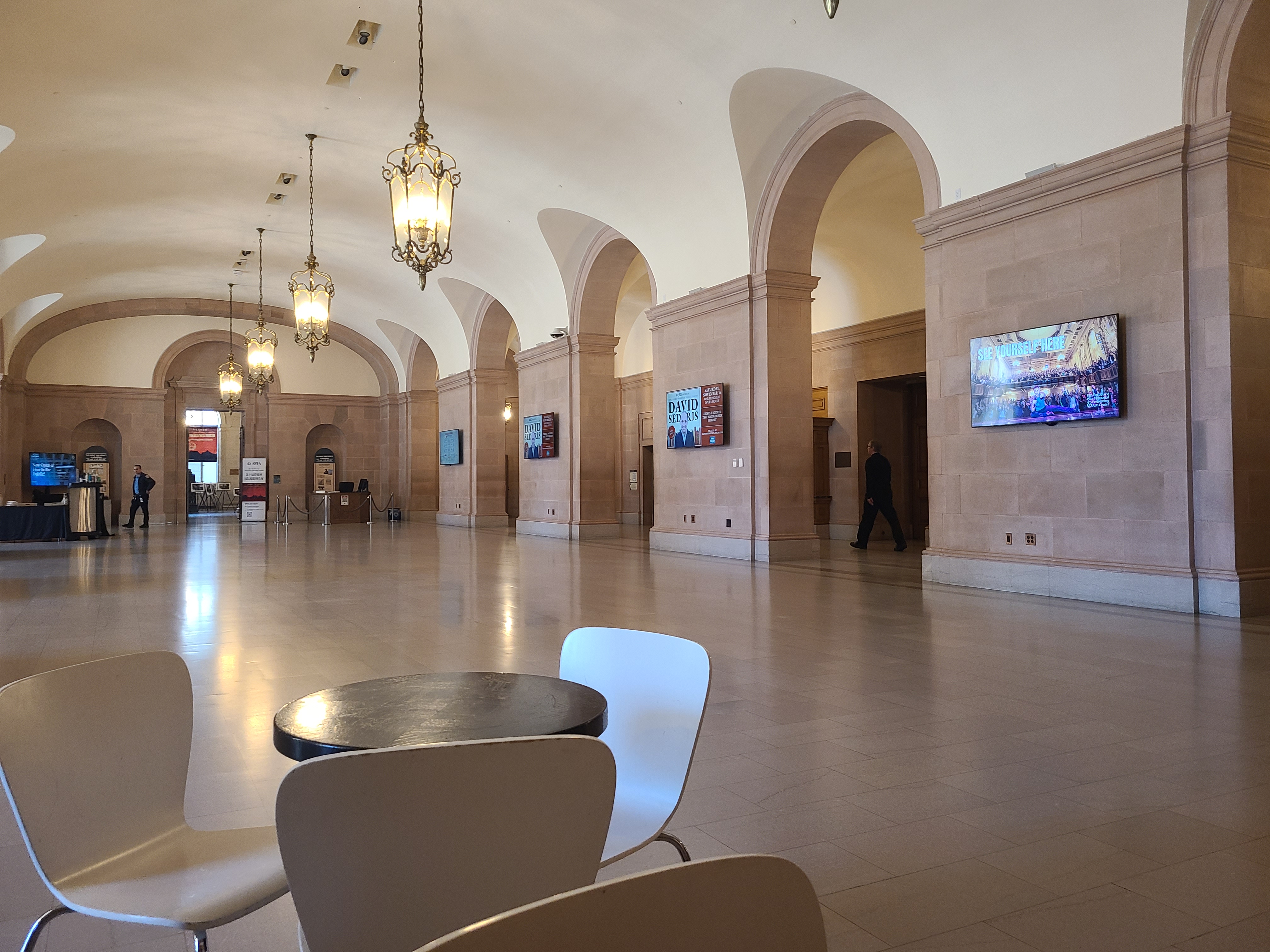
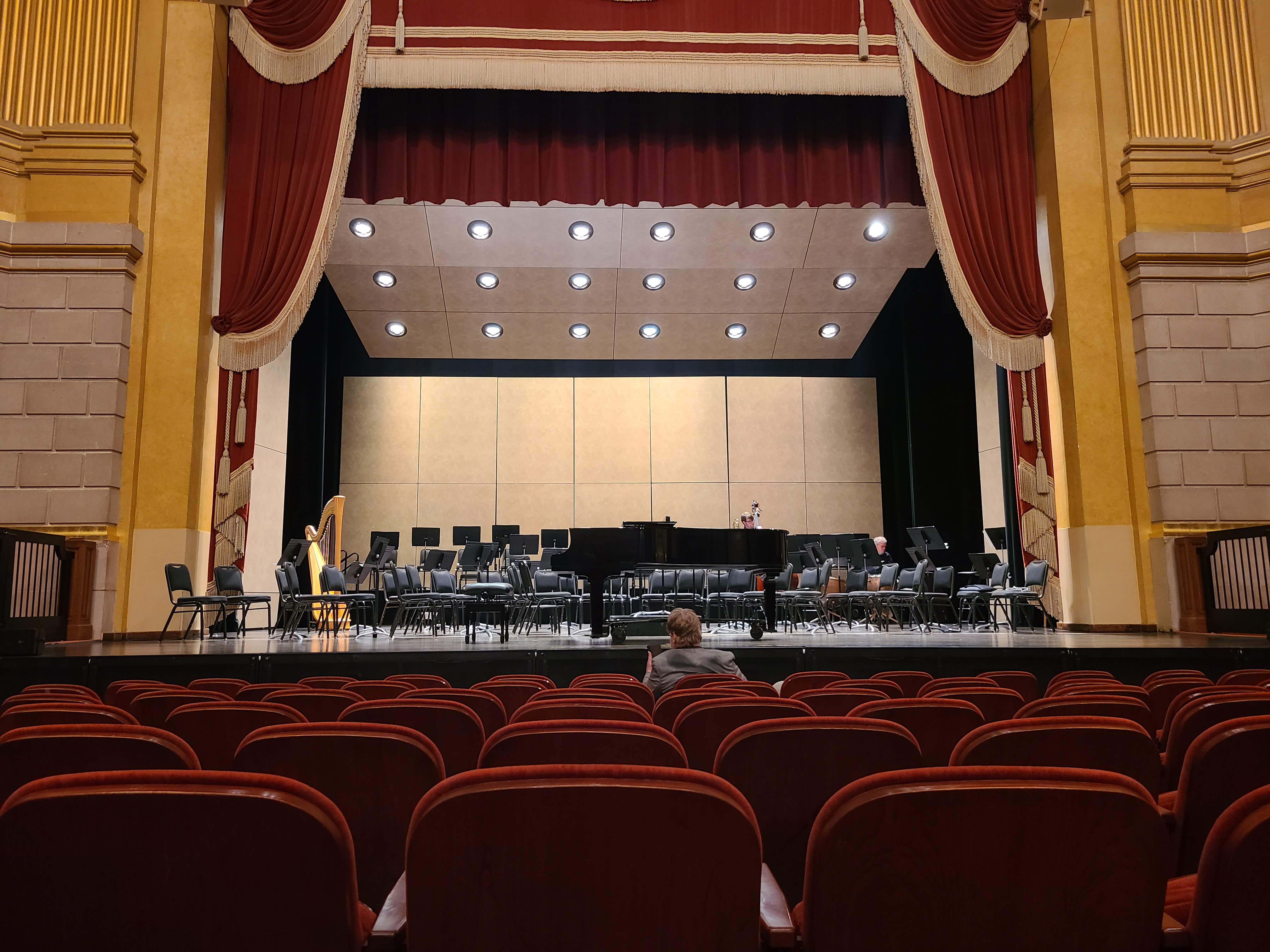
It was somewhere between that. Probably 20 in the RSVP line eventually. I got there, nobody has been waiting all night, but it’s in a public building. It’s this beautiful old building, and I ask the bored looking guard if I can just hang out. He even suggested I sit in the cafe area, as it was closed and there were a bunch of tables and chairs.That was great. Wisely I brought my laptop and worked on the blog.
Waiting
There was a long period of waiting and people milling about. Eventually they opened up the RSVP lines, there were people who were just scuttling in there as fast as they could to get in—in order to get a good spot. That just didn’t seem like classical music patron behavior. It was general admission, and in the end we probably filled the theater halfway. There were all kinds in line, from college kids to old folks. My favorite was the guy who couldn’t stop talking. And even when he wasn’t talking somehow he was.
There were handicapped audience members in wheelchairs, and they were letting them in one at a time. One would roll up, they would escort them into the theater, and then come back out. And just when we thought we were going to be let in, another wheelchair rolls up. This went on for what seemed like forever, but sooner than later they opened our lines.
I did not make any friends in line, but there was a nicely dressed older grumpy lady behind me who told me to move forward because she’s trying to compress the line. She’s trying to compress it? Is it her line? What’s going on here? And she looked cranky and like nobody liked her. So, that’s fine.
Finally, we’re let in. I have no idea how to choose seats at a concert like this. I will often get as close as possible, but then miss being able to see half the orchestra. Some people clearly had opinions about where they were going to sit, and there was a fair bit of scrambling involved. This is why we usually have tickets, not GA. While waiting I appreciated the lyrics in English and Polish on the program, very cool.
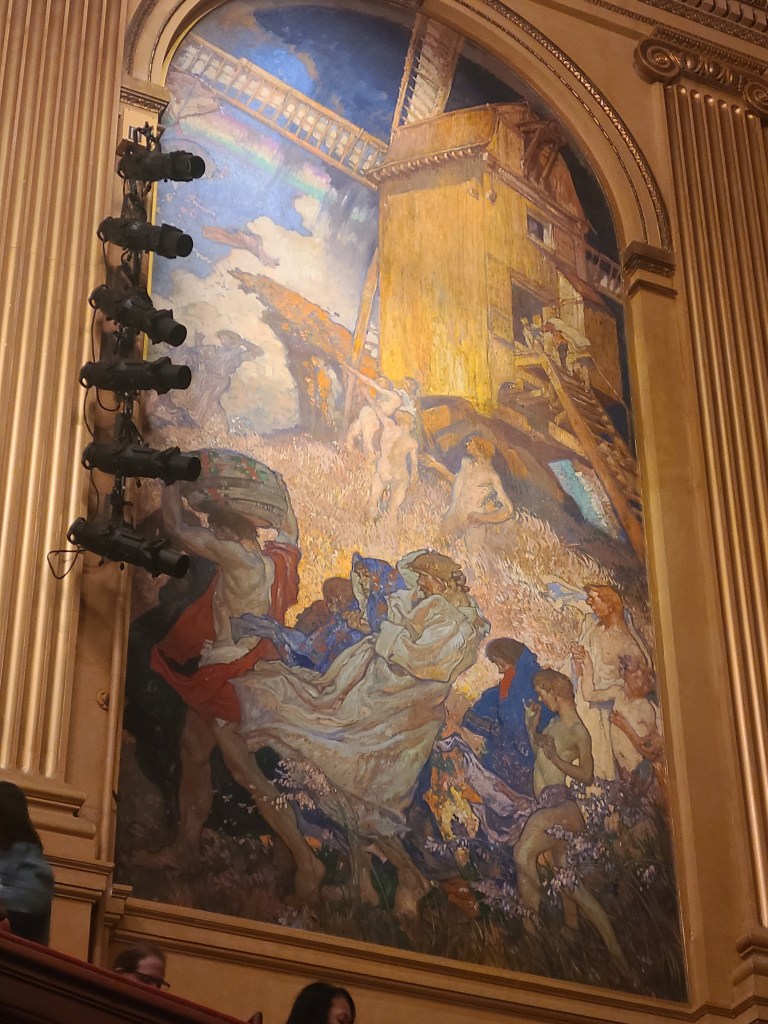
The Performance
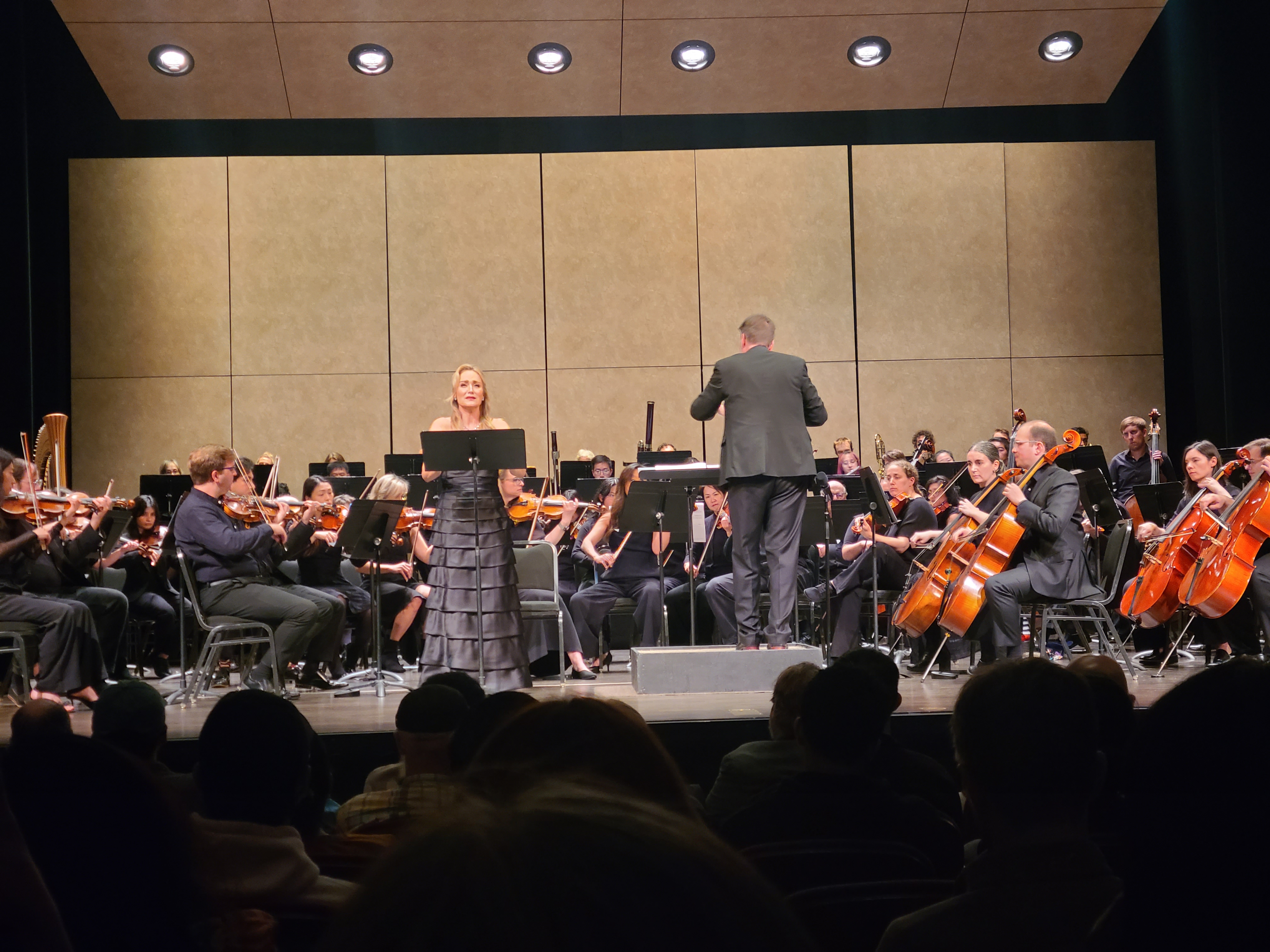
A bit of detail on the orchestra. They are a volunteer organization, so literally if you have a cello and you play cello, you can volunteer. I assume there are auditions. They have a seat system, so you can compete for first seat and so forth. For this symphony, they meet once every week for eight weeks. So basically, they had eight sessions to get it down. And I know that in between, everybody was working on their own parts on their own instruments and all that, but still, eight weeks seems really challenging. Even if everybody knows their part perfectly, to get everybody properly synchronized and to get it so the conductor is happy with the shape of it in general is a feat. That just blows my mind. For me it adds to this whole thing – the fact that this was not a professional group, but they really sounded so professional.
Eventually the conductor came out, there’s all the clapping, and then there’s more clapping, and he says something, and then there’s more clapping, and so on. There was a lot of clapping. But he then eventually brought out the pianist, whose name I forgot but sounded familiar, and they did a piece by Chopin. He explained how Chopin was French, as his name sounds French. And that he loved Poland. Chopin went to Poland where he became more Polish than the Polish. It was fascinating to hear about the different conductors.
Before the last piece, the conductor said, “Who’s ever heard of this composer?” And I halfway raised my hand, and then I looked around and nobody else had their hand raised except one guy in the back, apparently. And so I just kind of shrank it down, because my biggest fear was that the conductor was going to say, “What’s your favorite piece?” I don’t know! I don’t know any of his pieces. I know that I’ve known—that I’ve heard him, and I’ve listened to him. But that was a funny moment.
And then they played, followed by the whole encore thing. And so the pianist came out and did another piece. And it—when he started, I was thinking, “I’m not prepared for this.” I was ready for this to be intermission and then my show. So, dude, you know, play a little bit faster. And it turned out that it was a very nice, very short piece. And of course then more clapping and all that.
Intermission
And then it was intermission, 20 minutes. And the woman next to me asked me a question about that composer and then she asked if I was a musician. I said, “No, I just know weird stuff like that sometimes.” And we got to chatting. She was there with her husband, who was on his phone the whole time, and he was bored as hell, you could tell. She was just very excited to be there, so I think she was happy to have me there to chat with.
We talked about mostly music, but there was some life stuff in there, too. Talking about the kids, and something about how they grow up and move away. And I know they had kids, but they were really old, so I didn’t know how old the kids may be.
So she had a lot of fun chatting with me. One of those people who can get your life story without you knowing it. I wish they had invited me out for drinks (ginger ale) because I would have enjoyed her life story, as well.
The Piece
The time had finally come. The conductor comes out with the woman who would sing and introduces her. I can’t remember her name, but everyone seemed impressed. Then the conductor gave a little talk. One of the things he talked about was the rise of this piece and of the London Sinfonietta. The excitement of selling a million CDs when it came out and all that. Also, I got a fourth pronunciation of the composer. I was really hoping to get there and have everybody be like “Górecki, Górecki, Górecki, Górecki.” But no, it was not the case. It was every variation you could on how to pronounce it. And I’m pretty sure everybody’s pronouncing it wrong. But what are you going to do? Mine is based on a video of the composer pronouncing it, so I hope he got it right.
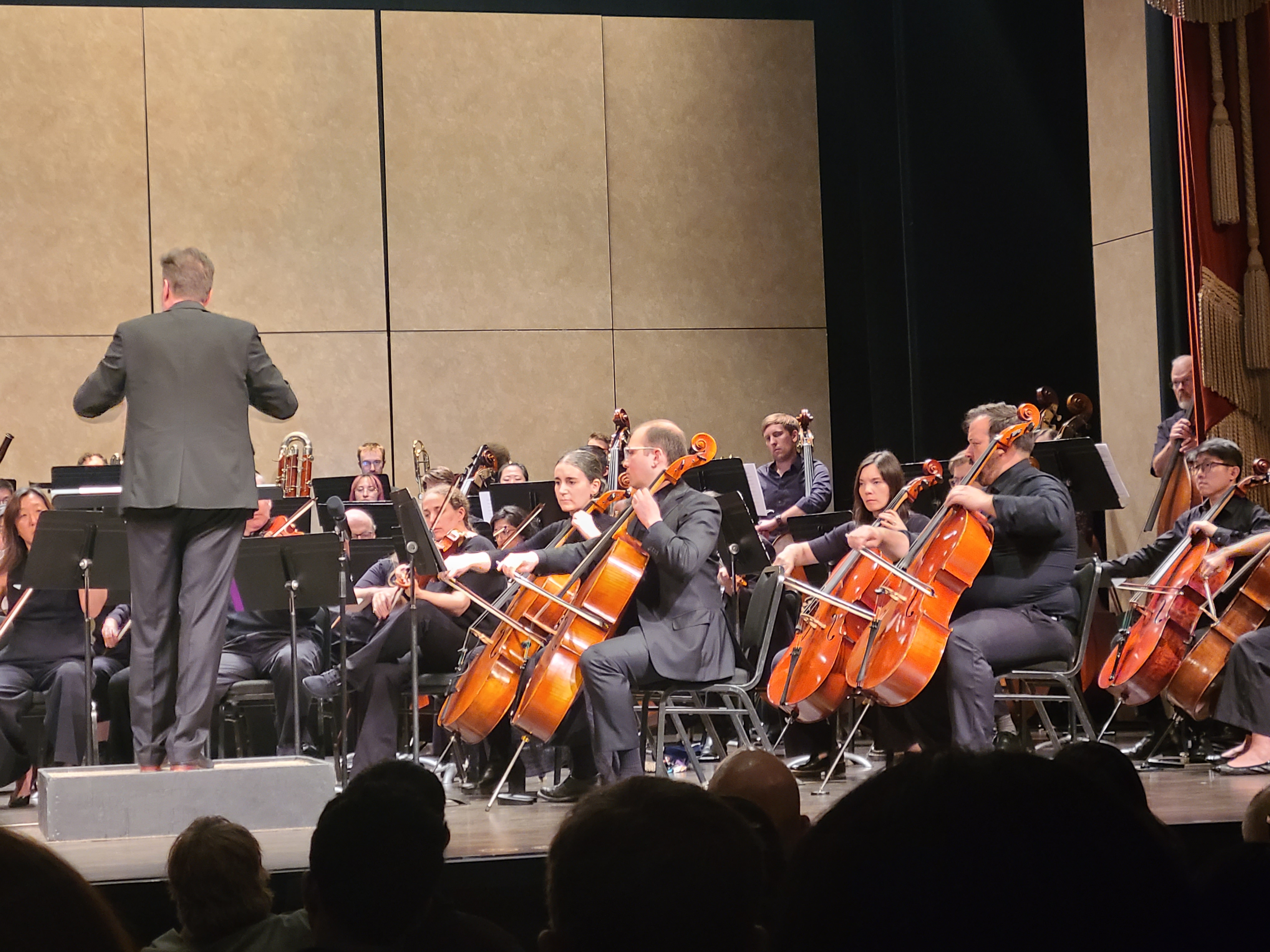
The conductor talked about it being a canon. And I wasn’t completely sure what that meant, but then he explained simply, which was wonderful. He said it was like “Row, Row, Row Your Boat.” And what they would do is they have this little repetitious piece that started with the double bass, and so that’s like the deepest strings. They would do doo-doo-doo-doo-doo-doo-doo or whatever their piece was. And when it was over, or I think even almost over, the next guy would pick it up and do the same thing. The first guy would continue playing. So then the third guy picks it up after the second guy, and so forth. So, with every added instrument, it added another layer to what was going on. And I could hear that so much better knowing what was going on.
Now here’s the cool part: it goes from the double bass all the way to the violins. It’s all string. So it goes to the stand-up bass, and then it goes to the cello and then it goes to.. whatever’s in between, and finally they end up at the violins. By this time, everything’s going crazy because the others, every fifth time they did their little da-da-da-da-da-da-da, they would go up I think it was a fifth of an octave, so what happens there is your music gets bigger as it progresses. So, by the time the violins are just starting, the bass in the back are just rocking out. And so you have this incredible build. They bring it all back down to silence in a similar way, just backwards, followed by a single piano note.
From those first bow strings pulled across the double bass all the way up to the violins, it was familiar music but with so much more life and vibrancy. It’s an experience I won’t forget, no matter how hard my brain tries. I enjoyed watching the orchestra play, and I was also impressed that as an all volunteer orchestra, they managed to nail it with one rehearsal a week for eight weeks!
The vocalist was a pretty lady who looked like she enjoyed what she did. She had this great smile on her face in the lead-up, like she knew what was coming like nobody else did. And when she sang it was technically well done, but also with a volume of natural life in there that made it sound genuine. You just really tell she was excited to be there.
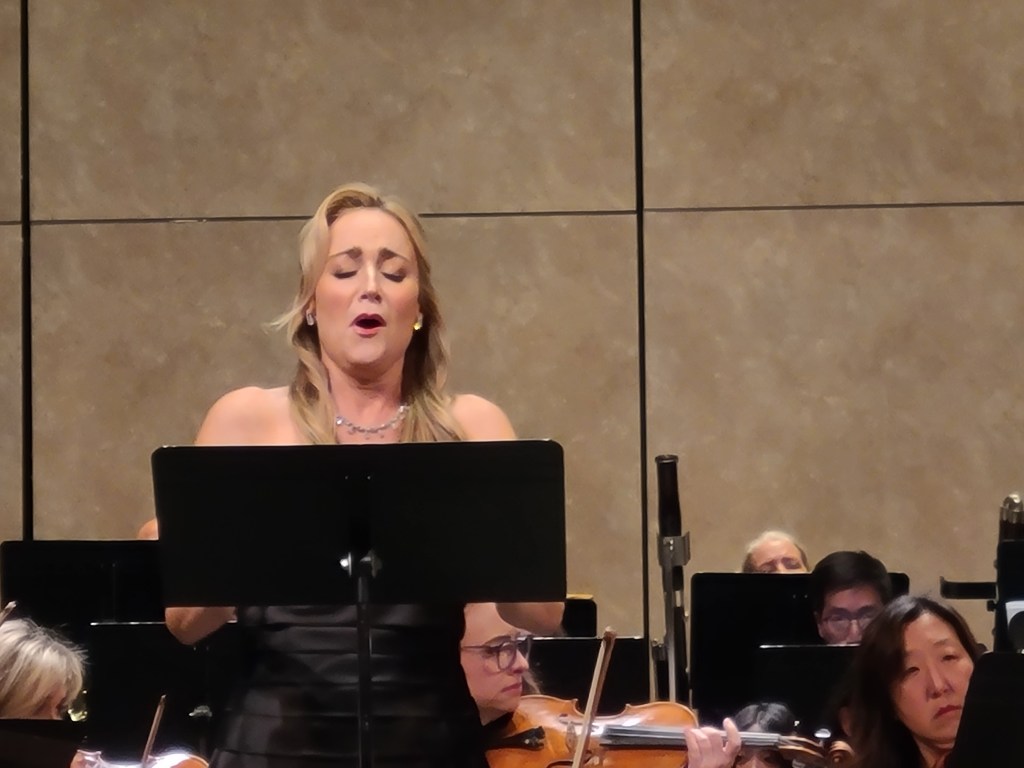
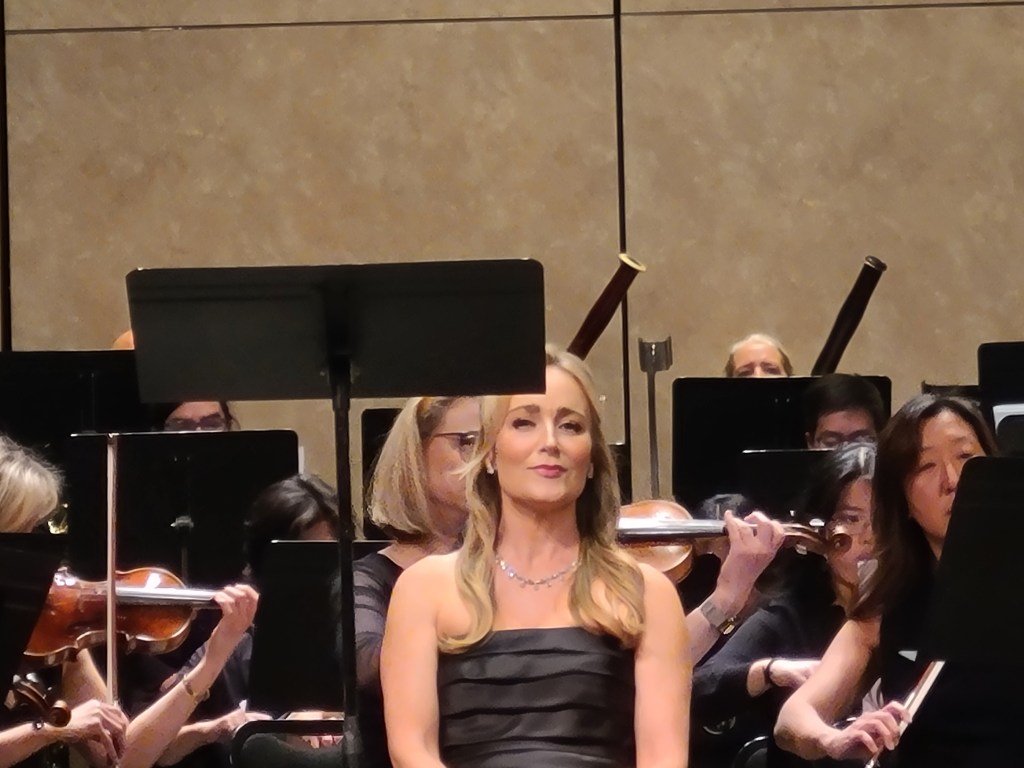
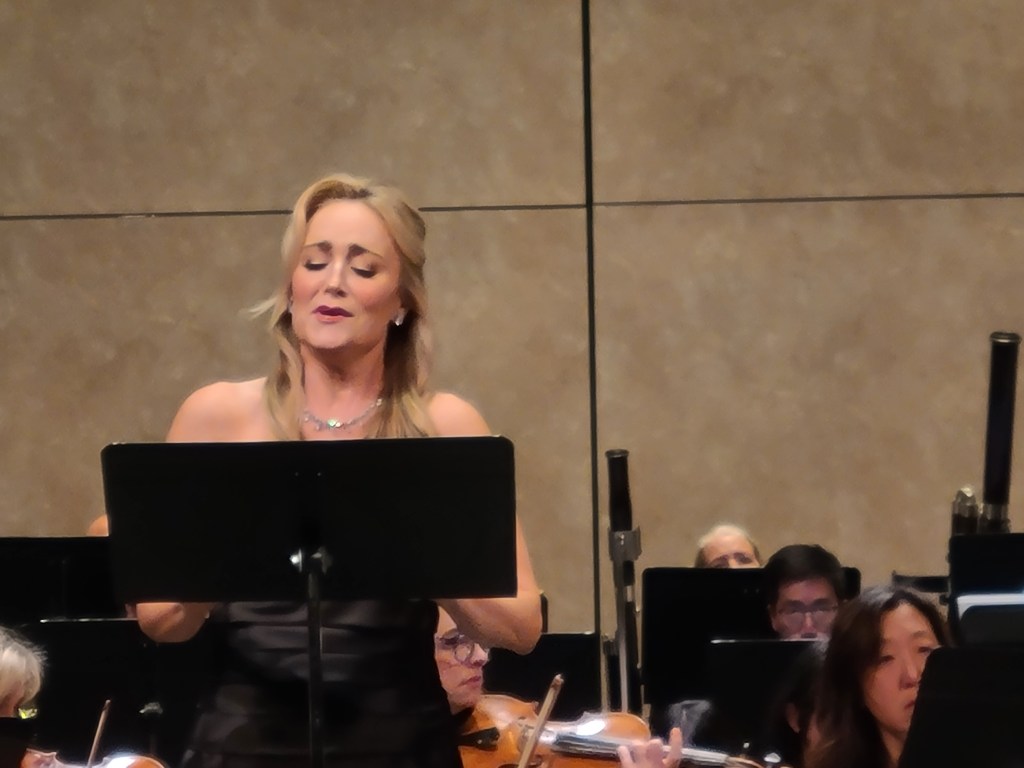
When she stood up for her part. She spent a lot of time waiting for her turn to begin. She was enjoying it, and she was kind of doo-doo-ing along, almost like a little shuffle dance on the stage. But not too much because this is a very serious piece of music, so pay respect. When she kicked in she was amazing. I don’t normally like vocalists in my music, and so I was skeptical. She sang the part like everyone else I’ve heard do it. But there was something about it, maybe it was the live thing, but there was something about her just bringing this light and life to the music that wasn’t there before. Her parts were so strong, and so moving, and she was so natural and evocative.
The piece continued on through all of the familiar parts and changes, and I was just enjoying the moment, the music washing over me, and the sights and smells of the theater.
And then it was over.
Over
I’m still working on how I feel about it. I was worried that I wouldn’t like it or I would dismiss it or I don’t know what I was worried about. But I didn’t feel like this was a slam dunk. I felt like it was going to be a hit or miss. But I really loved it.
One can never tell how long they will hold the ember of joy in their heart. I suppose that’s part of what makes it special. My heart has been difficult to get that ember in there and kept lit for a few years now. But that day my heart was aflame and peaceful and happy. And it doesn’t matter how long it’s there, it’s that it was there at all that matters.
I did not stick around after the performance to say anything to anybody because I didn’t know what I wanted to say. I kind of wanted to talk to the conductor, you know, tell him how far I’d come and how happy I was that it went well. But I knew that the waterworks would start, and I just didn’t want to do that. So I left happy.


Leave a Reply